This article may contain affiliate links. If you buy through them, Glow and Grow Daily may earn a small commission at no extra cost to you. Learn more.
Meal prep shouldn’t be complicated or stressful. I keep it straightforward by following a few key principles. This approach saves time, reduces waste, and keeps my meals satisfying without overwhelming me.
Establish a Realistic Routine
Consistency is essential. I set aside time each week to plan and prep meals. This routine helps me stay organized and less stressed during the week.
- Choose a specific day for meal prep—mine is Sunday.
- Block out 1-2 hours for cooking and assembly.
- Stick to the same time each week to build a habit.
On Sundays, I start my prep right after breakfast. This is when I feel the most energized. I put on some music and make it a pleasant experience.
Keep It Simple
Complex meals can lead to burnout. I focus on easy recipes with minimal ingredients. This not only saves time but also makes shopping straightforward.
- Opt for one-pot meals or sheet-pan recipes.
- Use versatile ingredients that work across multiple dishes.
- Limit recipes to five or fewer ingredients whenever possible.
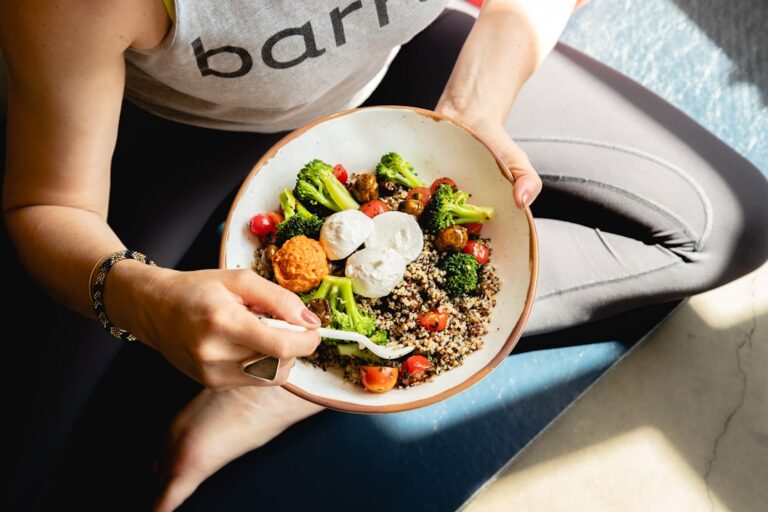
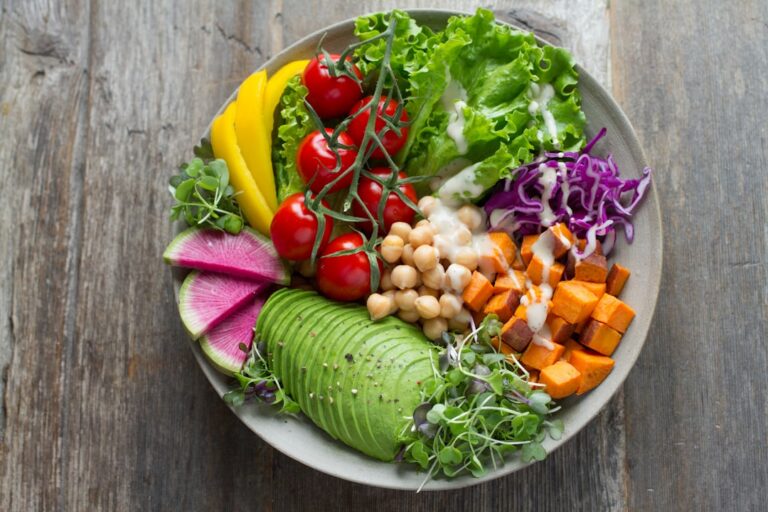
For example, I often make a simple quinoa salad. It includes cooked quinoa, cherry tomatoes, cucumbers, avocado, and a squeeze of lemon. It’s flexible; I can add chickpeas or feta cheese if I want variety. Plus, it stores well for days.
Plan for Variety
Boredom can derail meal prep efforts. I counter this by planning variety within my meals. I choose a base (like grains or greens) and rotate proteins and toppings throughout the week.
- Cook a batch of grains (rice, quinoa, or farro).
- Prepare a couple of proteins (chicken, tofu, or beans).
- Mix and match with different sauces or dressings.
This week, I grilled chicken with a homemade herb marinade. I paired it with roasted sweet potatoes and steamed broccoli. The next day, I used the same chicken in a wrap with hummus and mixed greens. This variety keeps meals interesting.
Utilize Leftovers Wisely
Leftovers can be a lifesaver. I make a point to cook extra portions of dinner to have ready-made lunches. This reduces cooking time and keeps me from feeling pressured to prepare a meal from scratch every day.
When I make a stir-fry, I always double the recipe. The next day, I easily transform it into a grain bowl by adding some cooked rice and a drizzle of soy sauce. This method lets me enjoy my meals without feeling like I’m in a constant cycle of cooking.
Invest in Good Containers
Storage matters. Quality containers help keep food fresh and organized. I recommend clear containers for easy visibility.
- Use glass or BPA-free plastic containers.
- Invest in different sizes for various meal portions.
- Label containers with dates to track freshness.
I use stackable glass containers that save space in the fridge. Each week, I label them with the date and contents, which helps avoid any mystery meals later.
Prepare Snacks in Advance
Snacks can often throw off healthy eating. To avoid reaching for convenience foods, I prep snacks in advance. This keeps hunger at bay and ensures I have healthy options on hand.
- Wash and cut fresh fruits and veggies.
- Portion out nuts or trail mixes into snack bags.
- Make energy balls or homemade granola bars in batches.
On Sundays, I chop vegetables and portion them into snack bags. I also prepare energy balls using oats, nut butter, and honey. These are quick, easy, and keep my energy levels stable throughout the day.
Don’t Overthink It
Meal prep doesn’t have to be perfect. It’s more about practicality than perfection. I remind myself that it’s okay if things don’t go according to plan.
I once miscalculated the amount of sweet potatoes I needed and ended up with leftovers. Instead of stressing, I turned them into a soup later in the week. Flexibility is key.
When I embrace imperfections, meal prep becomes less of a chore and more of a helpful routine. If I don’t feel like eating a planned meal, I swap it out for something else. This keeps me engaged and less stressed.
Make Use of Technology
There are many resources that can simplify meal prep. I find apps helpful for planning and organizing meals. They reduce the time spent figuring out what to make each week.
- Use grocery list apps to streamline shopping.
- Look for meal-planning apps with built-in recipes.
- Experiment with timers on your phone to manage cooking times.
One app I use allows me to save favorite recipes and generate grocery lists. This cuts down on time spent wandering the store, making the entire process smoother.
Listen to Your Body
Meal prep is about nourishing yourself. I pay attention to how my body feels throughout the week. This feedback helps me adjust meals and ingredients based on what I need.
- Check in with your hunger levels.
- Note any cravings and incorporate them into your meals.
- Adjust portion sizes based on physical activity levels.
If I’ve had a more active week, I’ll add extra proteins or carbs to my meals. On quieter days, I dial it back. Listening to my body reduces stress and ensures I’m not overeating or under-fueling.
Stay Flexible
Life happens. I don’t stick to a rigid meal plan. Instead, I allow for spontaneity. If I want to eat out or cook something different, I give myself permission.
This flexibility takes off the pressure. It allows meal prep to be a helpful tool rather than a strict obligation. If I don’t want a particular meal one day, I can swap it for something else without guilt.
Closing Thoughts
Meal prep doesn’t have to be an overwhelming task. By keeping it simple, planning ahead, and staying flexible, I manage stress and ensure nourishing meals throughout the week. It’s all about finding what works for you and sticking to a routine that supports your lifestyle.