This article may contain affiliate links. If you buy through them, Glow and Grow Daily may earn a small commission at no extra cost to you. Learn more.
Breathing techniques help me manage daily stress effectively. They provide immediate relief and restore focus. Here’s how I integrate these practices into my routine.
Understanding Stress and Breathing
Stress activates our body’s fight-or-flight response. In simple terms, this means our heart rate increases, breathing quickens, and muscles tense. Breathing techniques can counteract these responses by promoting relaxation.
Here’s why breathing techniques work:
- They stimulate the parasympathetic nervous system, which calms the body.
- They increase oxygen flow, improving mental clarity.
- They create a moment of pause, allowing for better decision-making.
My Daily Breathing Practices
I find success with a few specific methods, each tailored to different situations. Here’s a breakdown of what I do:
1. Morning Focus
In the morning, I often start my day with a simple breathing exercise to set a positive tone. It takes only five minutes but makes a difference.
Here’s the routine:
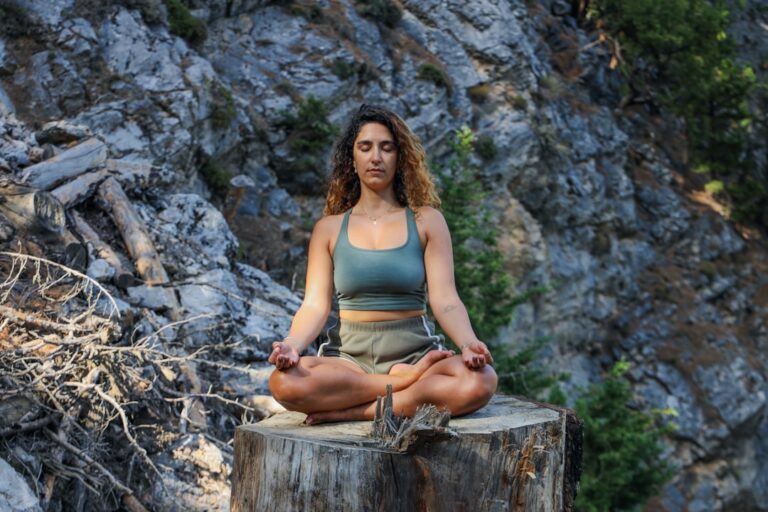
- Sit comfortably with a straight spine.
- Close my eyes and take a deep breath in through the nose, counting to four.
- Hold the breath for a count of four.
- Exhale slowly through the mouth for a count of six.
- Pause for a count of two before breathing in again.
I repeat this cycle for five minutes. It energizes me and clears mental clutter, allowing me to approach my tasks with clarity.
2. Midday Reset
During the day, especially when stress levels rise, I take a quick break for a breathing technique that I call the “box breath.” This helps me reset and regain focus.
The steps are as follows:
- Find a quiet space and sit down.
- Inhale through the nose for a count of four.
- Hold for another count of four.
- Exhale slowly through the mouth for a count of four.
- Hold again for a count of four.
I repeat this for about three to five cycles. This technique makes stress feel more manageable and provides a moment of calm amid busy schedules.
3. Evening Wind-Down
At night, I use breathing techniques to prepare for sleep. A calm mind is crucial for quality rest, so I prioritize this in my evening routine. Here’s how I do it:
“Breath is the bridge which connects life to consciousness, which unites your body to your thoughts.” – Thich Nhat Hanh
I practice a technique called “4-7-8 breathing.” The process is straightforward:
- Find a comfortable position, either lying down or sitting.
- Close my eyes and inhale through the nose for a count of four.
- Hold the breath for a count of seven.
- Exhale through the mouth for a count of eight.
After four cycles, I feel a sense of tranquility wash over me, making it easier to drift off to sleep. This practice has been especially helpful on nights when my mind feels busy.
Integrating Breathing Techniques Into Daily Life
Breathing techniques are not just isolated practices; they can be integrated into everyday life. Here are some tips based on my experience:
- Set reminders: Use phone alerts to cue short breathing breaks during the day.
- Pair with activities: Combine breathing exercises with daily tasks, like walking or even washing dishes.
- Practice mindfulness: Focus on your breath during moments of anxiety. Just a few deep breaths can re-center your mind.
Common Challenges and Solutions
While breathing techniques can be effective, they can also present challenges. Here’s what I’ve encountered and how I handle it:
- Difficulty focusing: If my mind wanders during exercises, I gently bring my attention back to my breath without judgment.
- Feeling rushed: It’s easy to skip breathing practices, but I remind myself that even a minute counts. I can always find a moment.
- Inconsistent practice: I’m not perfect at maintaining a routine. I keep it flexible and adjust based on my day.
The Science Behind Breathing Techniques
Research supports the effectiveness of breathing techniques for stress management. Breathing exercises can lower cortisol levels, enhance mood, and improve overall emotional well-being. Understanding the science behind these methods helps reinforce their value.
Final Thoughts
Breathing techniques have become essential in my daily stress management toolbox. They are not a cure-all, but they provide practical and effective methods for maintaining calm. By incorporating these techniques into my routine, I navigate daily stressors more skillfully. Remember, consistency is key. Start small, stay flexible, and breathe your way to a calmer day.